Skip to content
LoveToCalc

Definition — what does that mean?

Angular frequency of a spring oscillator

A stiffer spring or a lighter mass gives a larger ω. It is the quantity every other oscillation formula needs.

In Swedish: Fjäderpendelns vinkelfrekvens

Angular frequency of a spring oscillator

The relation

ω=km

The angular frequency of a mass on a spring is the square root of the spring constant divided by the mass: ω² = k/m. A stiffer spring or a lighter mass oscillates faster.
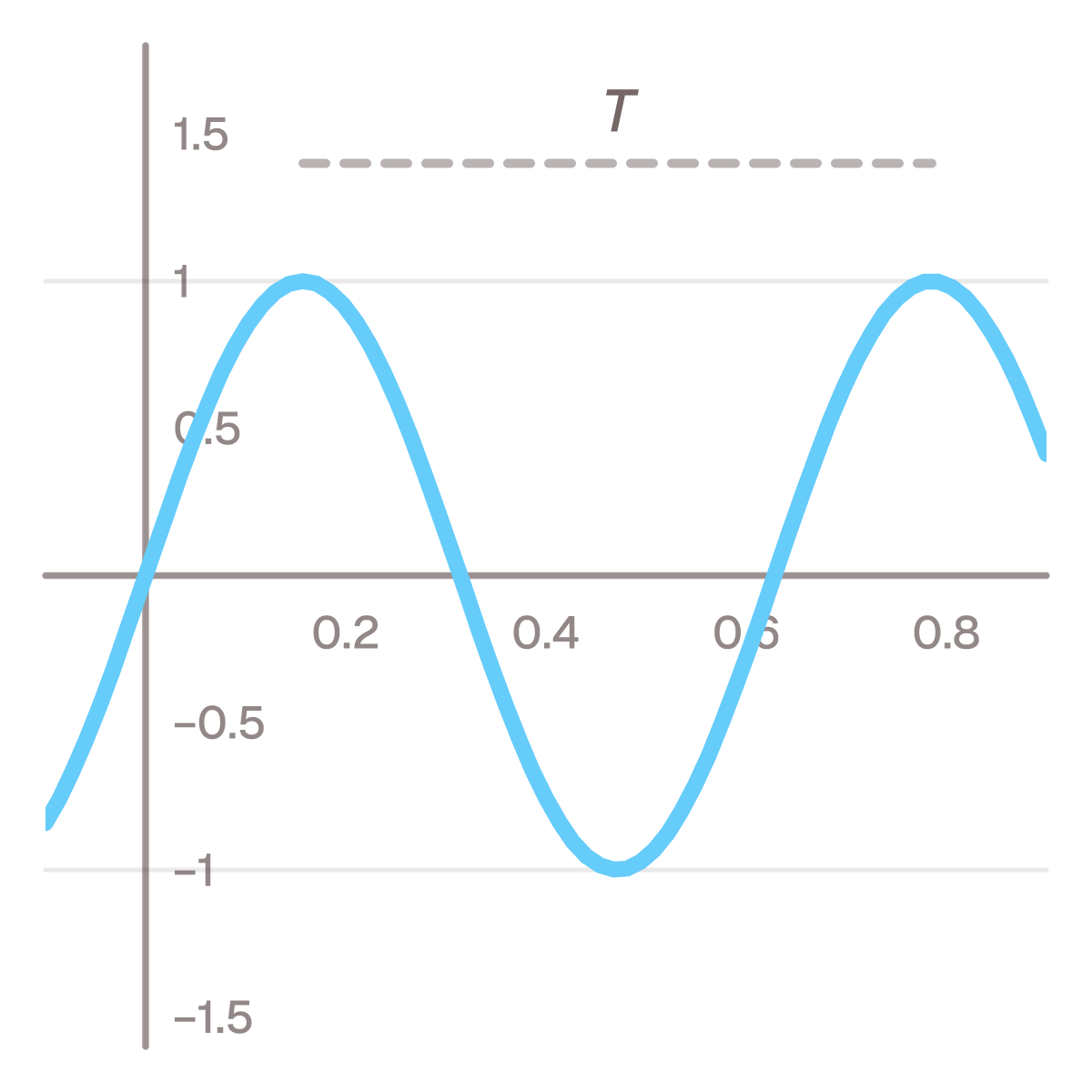
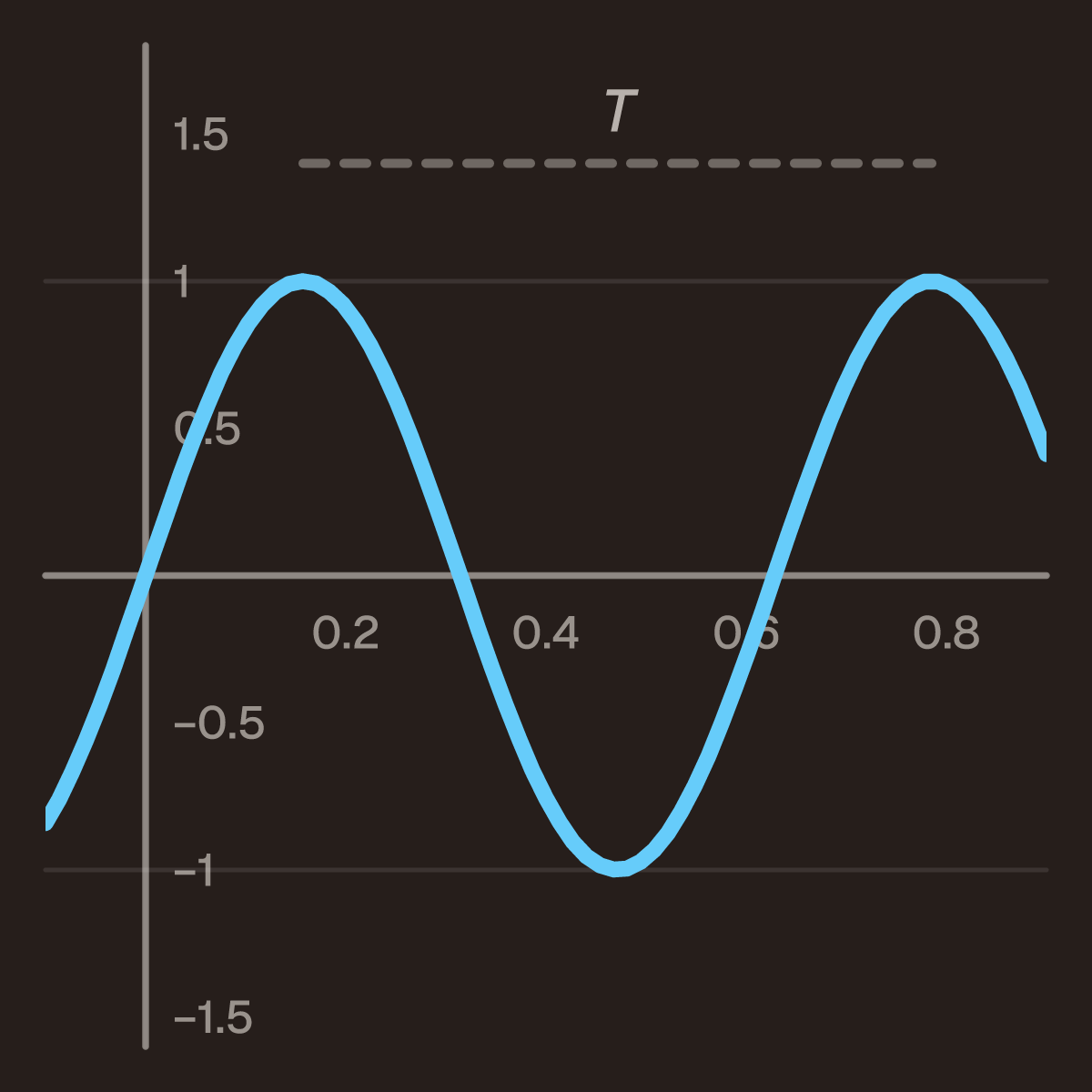
Solve for

ω=10rad/s

ω equals the square root of (100 divided by 1), equals the square root of (100), equals 10 rad/s

Working3 steps

The formula

Equivalently ω² = k / m. k is the spring constant in N/m, m the mass in kg and ω the angular frequency in rad/s.

Holds for a mass on an ideal spring, where the spring force is proportional to the stretch and the spring’s own mass and friction can be neglected.

Worked examples

Find ω. k = 250 N/m and m = 0.40 kg: ω = √(250/0.40) = √625 = 25 rad/s.

Find the spring constant. A 0.50 kg mass oscillates with ω = 8 rad/s. Then k = m · ω² = 0.50 · 64 = 32 N/m.

Common mistakes

Where next

Common questions

Why does the mass appear under the root? A heavier mass accelerates less for the same spring force, so the oscillation is slower.

Looking for another letter? The formula solved for each one
Solved for each letter
Solve forRearrangedWith the numbersComes to
kmω²1·10²100 N/m
mkω²10010²1 kg
ωkm100110 rad/s

Last reviewed October 13, 2026 ·How pages are reviewed

Waves and opticsAll formulas

Put this formula on your site

Copy the code into your page where the formula card should appear. It loads from lovetocalc.com, so it stays current on its own — all we ask is that the credit line comes with it.