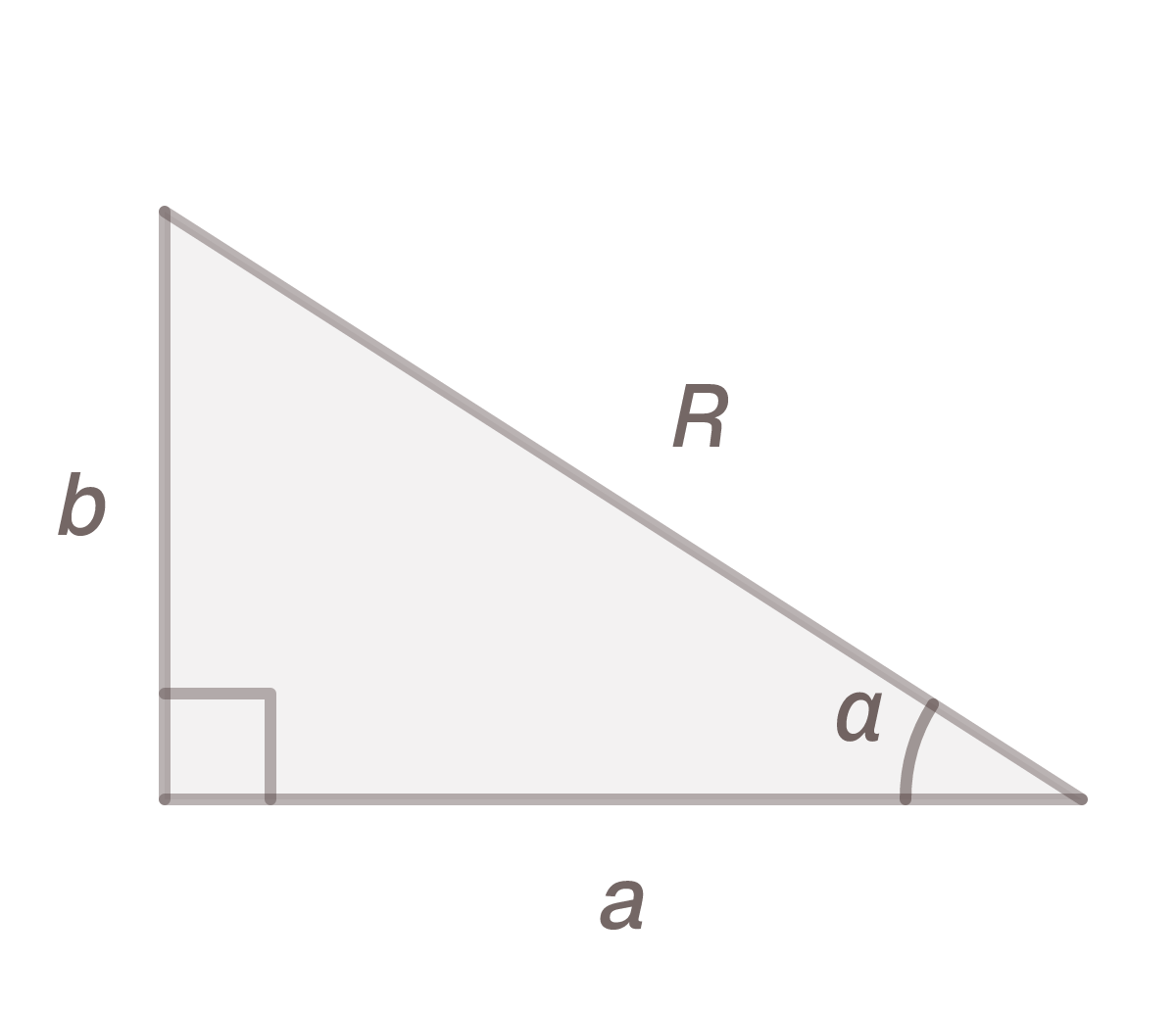
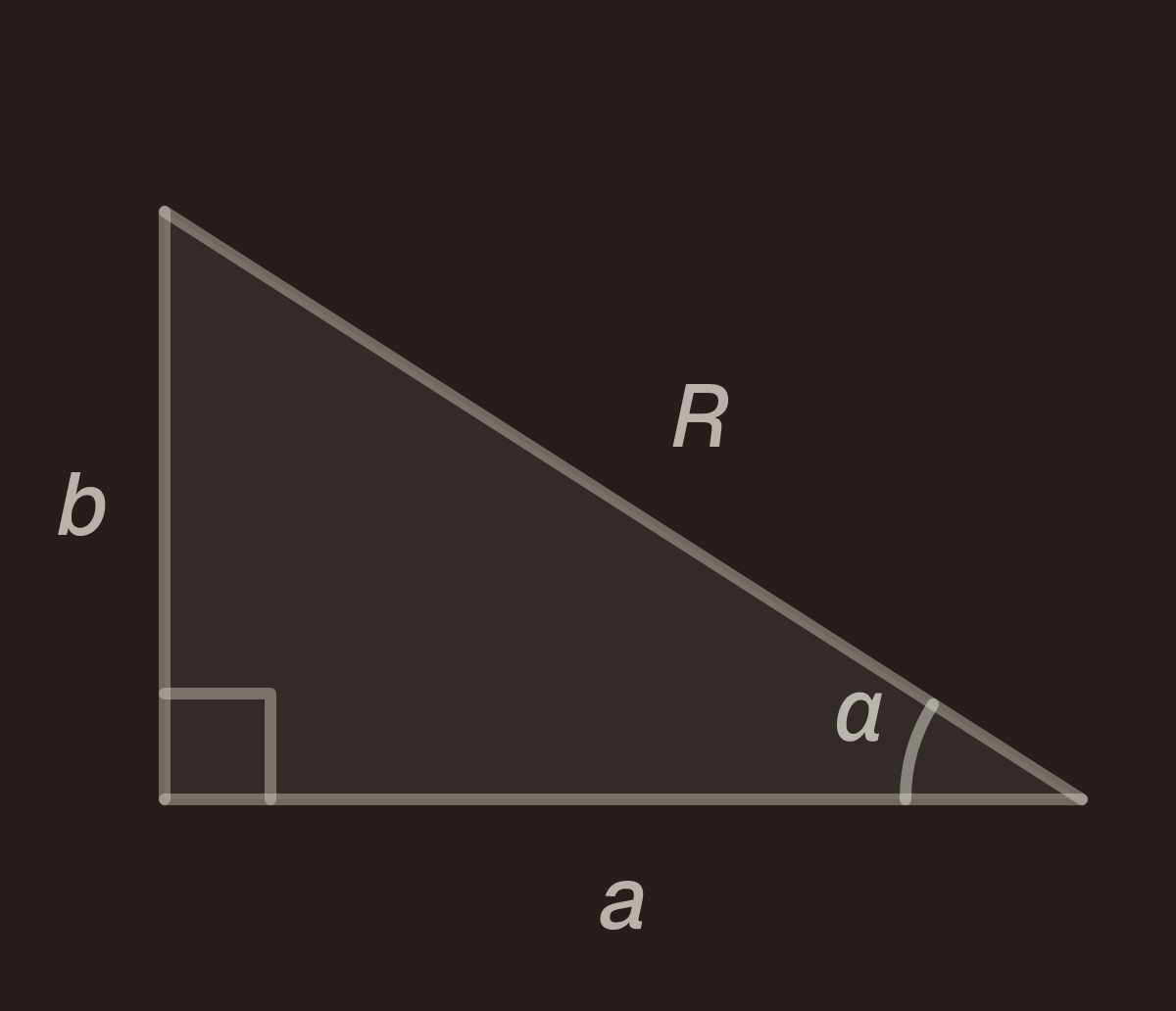
The formula
- a sin x − b cos x = R sin(x − α), where R = √(a² + b²) and tan α = b/a, for a, b > 0
It is the harmonic form with b replaced by −b. Then the phase angle changes sign too, and the amplitude is the same.
Worked example
3 sin x − 4 cos x: R = √(3² + 4²) = 5 and tan α = 4/3, so α ≈ 53.13°. Therefore 3 sin x − 4 cos x = 5 sin(x − 53.13°). At x = 20°: 3 sin 20° − 4 cos 20° = −2.7327 and 5 sin(−33.13°) = −2.7327.
Common mistakes
- Using x + α: with the minus in the expression the angle is subtracted.
- Swapping a and b in tan α: it is b/a.