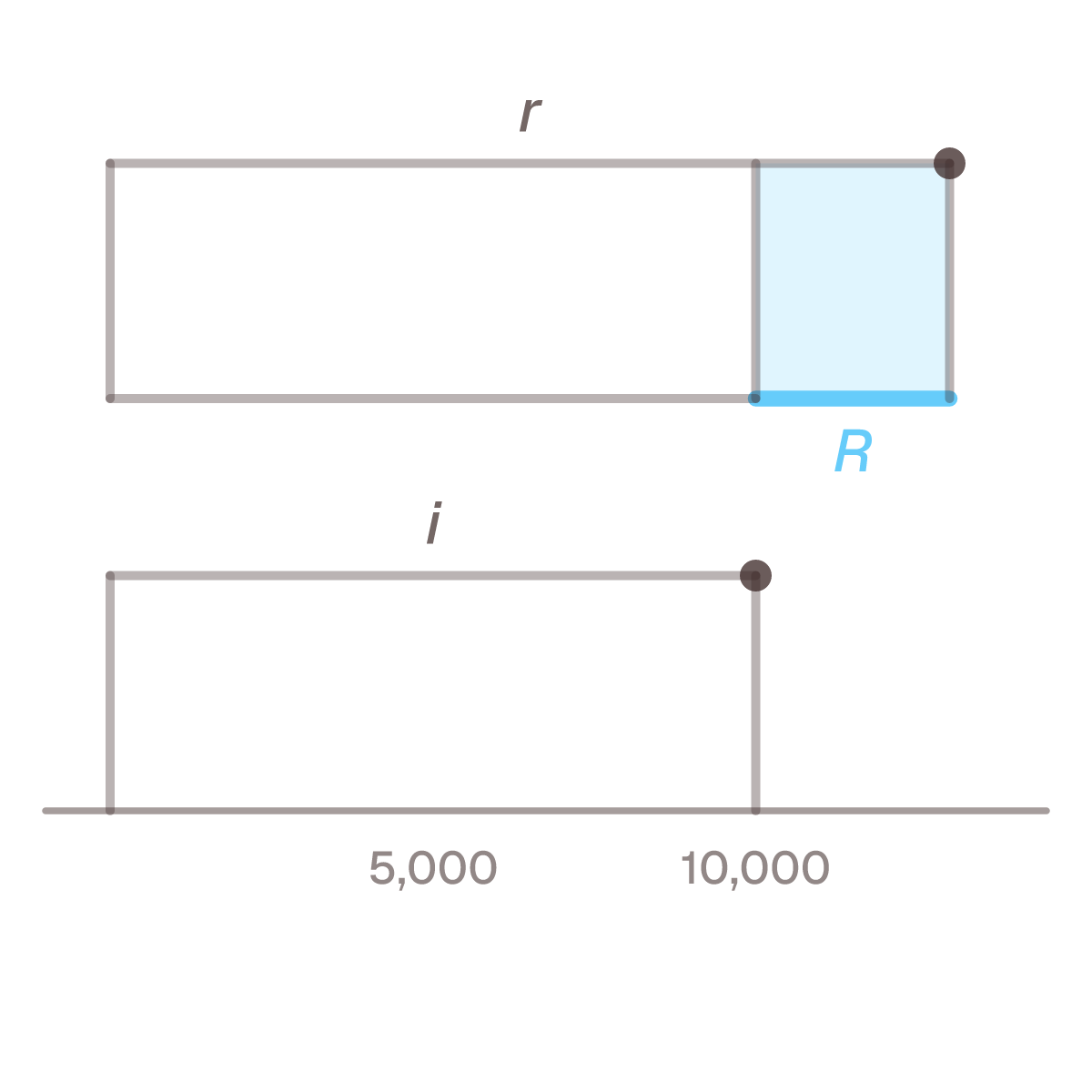
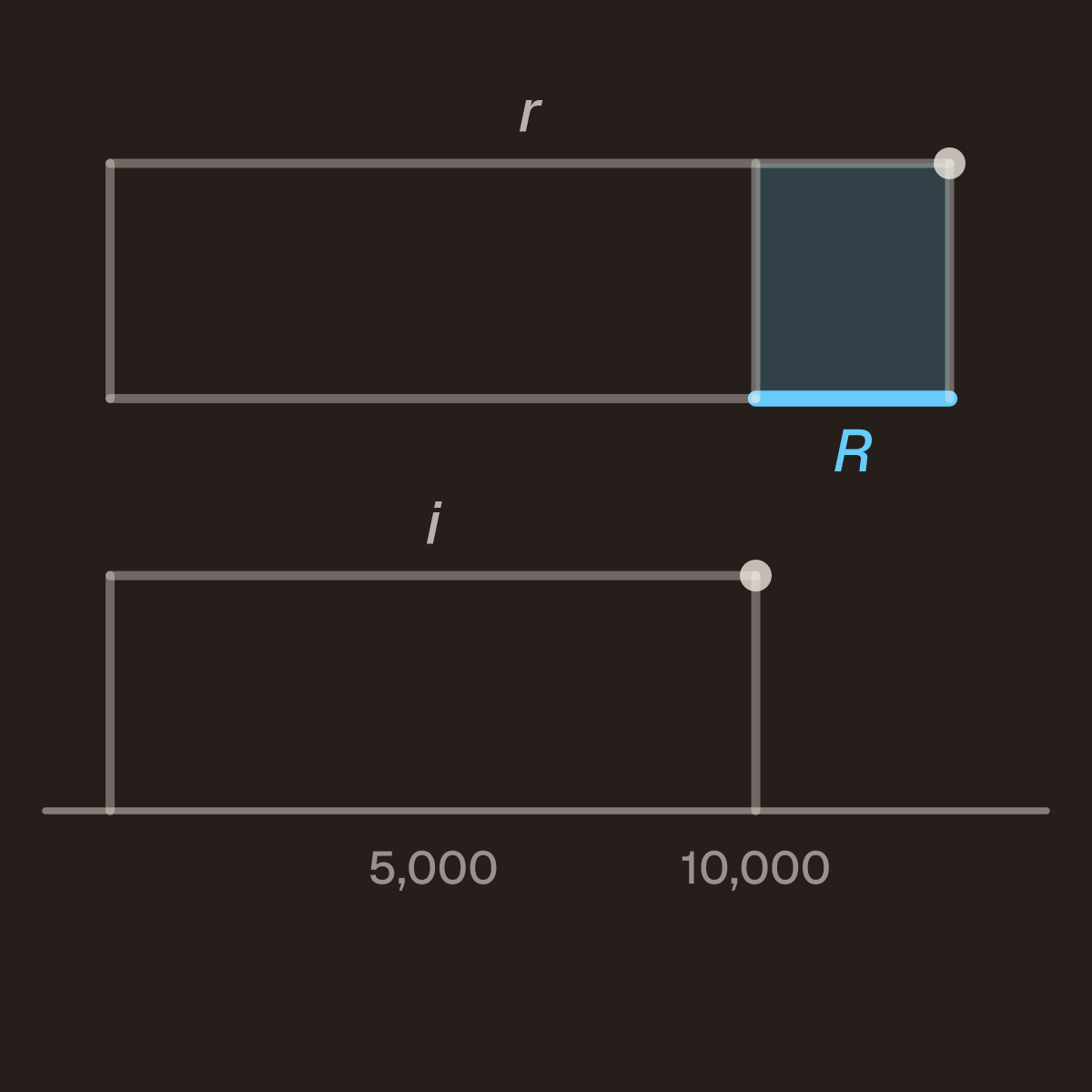
- ROI = 100 · (return − investment) / investment
You put in 10,000 and get back 13,000. The gain is 3,000, and 3,000 / 10,000 = 0.3, so 30% ROI.
Note that it is the gain that is divided by the investment, not the whole return. 13,000 / 10,000 = 1.3 is
the change factor — subtract one and you have the ROI back.
| Investment |
Return |
Gain |
ROI |
| 10,000 |
13,000 |
3,000 |
+30% |
| 10,000 |
10,000 |
0 |
0% |
| 10,000 |
7,500 |
−2,500 |
−25% |
| 50,000 |
120,000 |
70,000 |
+140% |
ROI says nothing about time
This is what makes the measure easy to misuse. 30% ROI over a year and 30% ROI over ten years are the
same number and entirely different investments.
To compare investments of different lengths you need an annual rate, and then ROI is the wrong measure
— CAGR is the right one. ROI works best when the period is fixed and the same
across everything you are comparing: a campaign that ran for a month, a purchase that paid for itself
within a quarter.
ROI cannot fall below −100%
At −100% the whole investment is gone. Below that requires being able to lose more than you put in, which
means leverage or a commitment beyond the investment itself. For ordinary investments, −100% is the floor.
Common mistakes
- Dividing by the return instead of the investment. 3,000 / 13,000 ≈ 23% is not ROI — it is closer to a
profit margin.
- Leaving costs out of the investment. Fees, shipping, your own time and commission are all part of what
you put in. Omit them and the return looks better than it was.
- Comparing ROI across different periods. See above.
- Counting money you have not received. An unrealised value is an assumption about what someone would
pay, not a return.
Questions people ask
How is this different from percentage change?
Arithmetically it is not — percentage change is the same formula. The
difference is what the numbers mean: ROI is money in and money out.
How do I turn ROI into an annual rate?
With the return, the investment and the number of years, the CAGR formula gives the annual rate. Use the
CAGR calculator — it is not something you divide by the number of years.
Can ROI exceed 100%?
Yes. Above 100% simply means the gain was larger than the investment — you got back more than double.