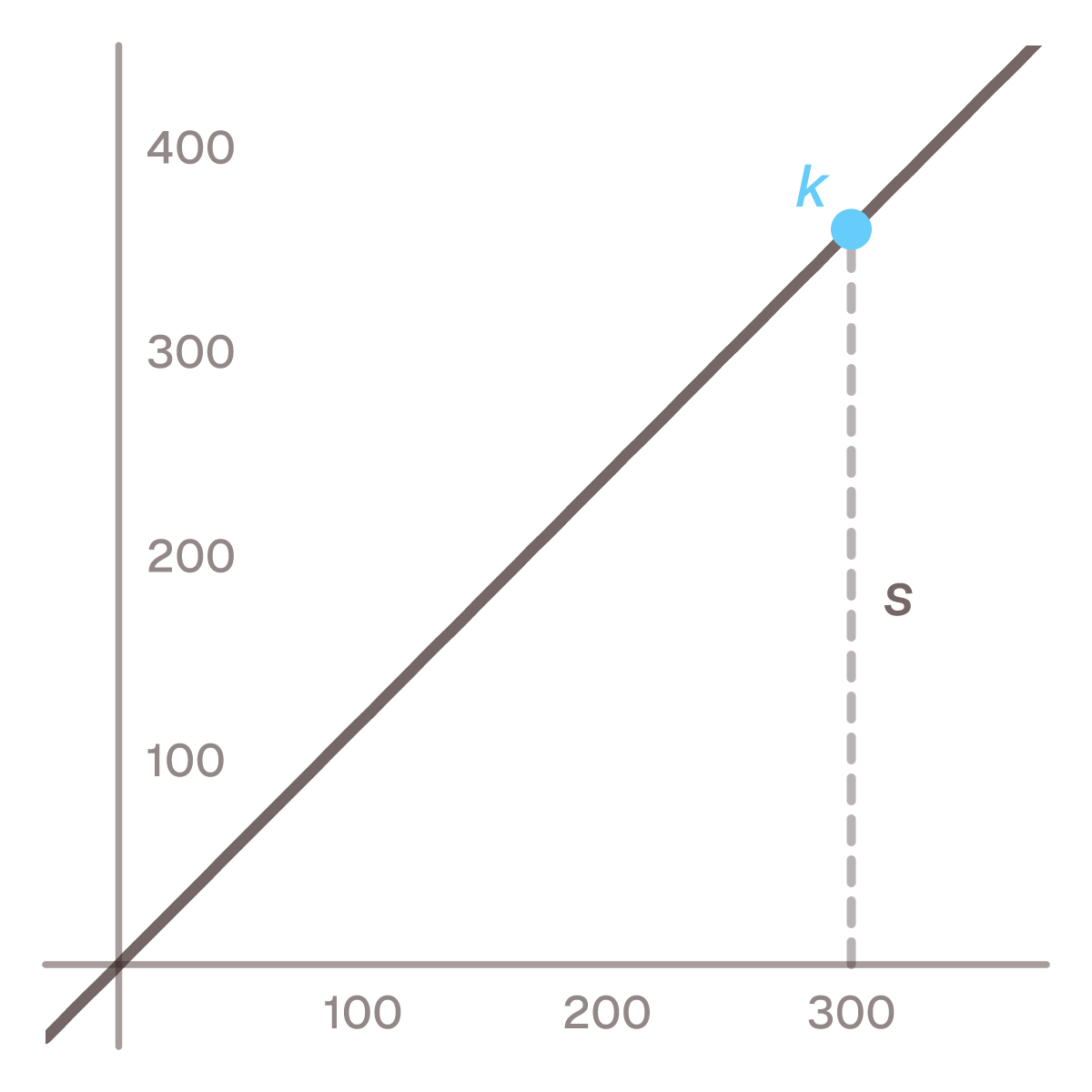
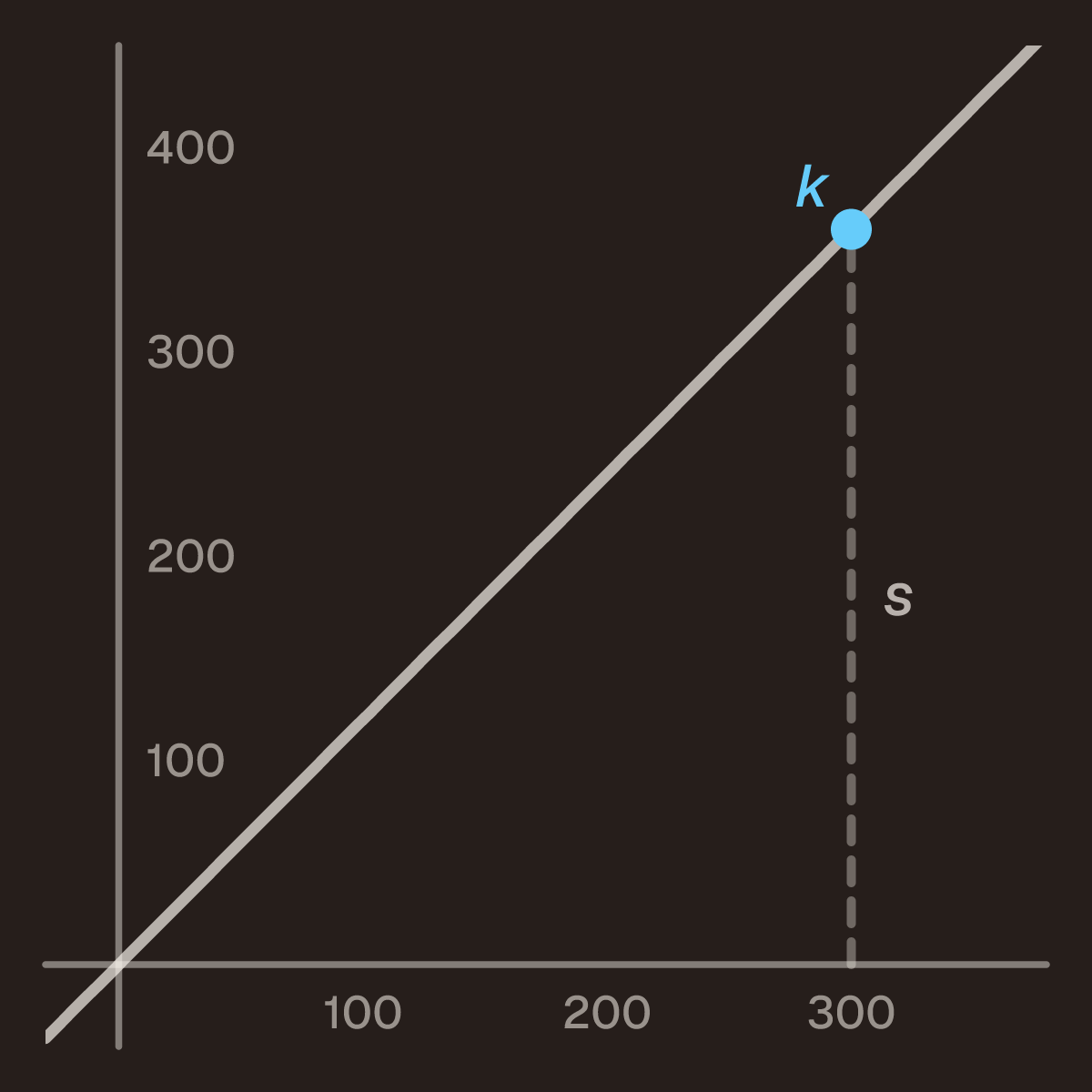
Distance times consumption gives the number of litres — but consumption is quoted per 100 km, so the
division by a hundred belongs with it. Litres times the price per litre gives the cost.
300 km, 6 l/100 km and 20 per litre: 300 · 6 / 100 = 18 litres, and 18 · 20 = 360.
Working in two steps loses nothing — the formula is those two steps written on one line, and the
intermediate figure, the number of litres, is usually worth seeing.
Consumption in other units
The formula uses litres per 100 km, the usual unit across most of Europe. Two other
conventions turn up:
- Litres per 10 km (Swedish “liter per mil”): multiply by ten. 0.6 l/mil = 6 l/100 km.
- Miles per gallon: not a conversion you want to do in your head, and the two are reciprocals rather
than multiples — a higher mpg is a lower l/100 km.
Putting the wrong convention into the formula is the first error to check before trusting the figure.
The official combined figure is measured under standardised conditions and rarely matches reality. For a
number that holds: divide the fuel you actually put in by the distance you actually drove since the last
fill, and scale it to 100 km.
Motorway speeds, cold weather, a roof box and a full car all push consumption up, and a short trip with a
cold engine pushes it up a lot. The cost of a single trip is therefore always an estimate.
Worked examples
Forwards. 500 km, 7 l/100 km and 20 per litre: 500 · 7 / 100 = 35 litres, so 700.
Backwards, the distance. You used 360 worth of fuel, the car does 6 l/100 km and the price was 20.
The distance was 100 · 360 / (6 · 20) = 300 km.
Backwards, the consumption. 250 km cost 380 at a price of 19. The consumption was
100 · 380 / (250 · 19) = 8 l/100 km.
There and back. Remember to double the distance. 150 km each way is 300 km to work with.
Common mistakes
- Using litres per 10 km instead of per 100 km. The answer comes out a tenth of the truth.
- Forgetting the return leg. The distance in the formula is the one driven, not the one on the map.
- Comparing it straight against a train ticket. Fuel is not the whole cost of a car — see
cost per kilometre.
- Using the official consumption figure. Use your own, measured between two fills.
Common questions
What does fuel cost?
It changes weekly, and this page asserts nothing about it. The price per litre is an input, read off the
pump or the app.
Does the formula work for an electric car?
Same structure, different units: kWh per 100 km instead of litres, and a price per kWh instead of a
price per litre. The page on the cost of electricity
is the other half.
Should tolls and parking be included?
Not in this formula — it counts fuel. For the whole cost of the trip, add them afterwards, and the
comparison with public transport becomes a fair one.